Durable Retaining Wall Materials in Canton, North Carolina and Surrounding Areas
Appalachian Excavation & Concrete provides high-end floor and retaining wall transformations across Canton, North Carolina. Our service area extends to the surrounding areas of Clyde, Waynesville, Bethel, Candler, and all of Haywood County. We specialize in earth retention technology which is specifically designed to handle the intense mountain rainfall and the unique soil composition of the Pigeon River valley without compromising structural integrity. The installation process involves several critical steps to ensure a lifetime of performance on steep or uneven terrain. We begin with professional site evaluation and grading to prepare a stable foundation.
What is the most durable material for a tall retaining wall on a Canton hillside?
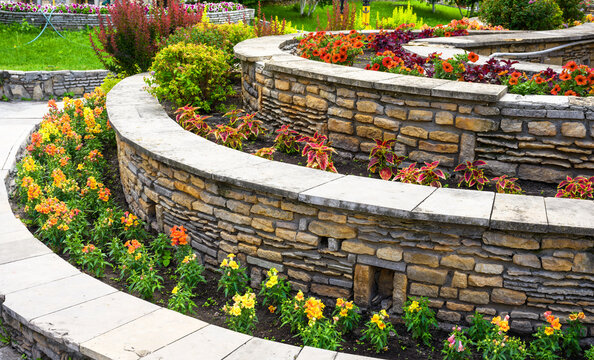
For walls exceeding four feet or those supporting significant soil weight, poured reinforced concrete is the gold standard for durability. In Canton's varied terrain, a solid concrete wall reinforced with steel rebar provides unmatched lateral strength. It can also be customized with various textures or veneers to maintain a high-end look while providing industrial-strength support.
How does natural stone compare to concrete blocks in the Haywood County climate?
Natural mountain stone is incredibly durable and can last over 100 years, blending seamlessly with the local landscape. However, engineered concrete blocks (segmental retaining walls) are often more cost-effective and provide excellent drainage through their mortarless joints. Both materials are resistant to the moisture and temperature shifts common in Western North Carolina, provided they are installed over a properly compacted base.
Are timber retaining walls a viable long-term option for Canton homes?
While pressure-treated timber is the most affordable upfront, it is generally not recommended for long-term structural needs in our humid environment. Timber walls typically have a lifespan of 15–20 years before rot becomes a concern. For a "permanent" solution, we suggest transitioning to stone or concrete, which will not decay and can withstand the heavy hydrostatic pressure of mountain soil.
What role does "hydrostatic pressure" play in the choice of wall materials?
Hydrostatic pressure is the force exerted by water trapped behind a wall. In Canton, heavy seasonal rains make this a critical factor. Materials like gabion baskets (rock-filled wire cages) or segmental blocks are naturally permeable, allowing water to escape. If using poured concrete, we must install a robust system of "weep holes" and gravel backfill to prevent the wall from bowing or cracking under this pressure.
Can I use locally sourced stone for my retaining wall project?
Yes, using locally sourced fieldstone or river rock is an excellent way to ensure your wall matches the natural geology of the area. Local stones are already "acclimated" to the regional weather, meaning they won't flake or degrade when exposed to Canton's winter frosts, making them both an aesthetic and a durable choice.
How deep must the foundation be for a durable retaining wall in North Carolina?
According to North Carolina building codes, the first course of a retaining wall must be buried (embedded) to provide a "toe" that prevents the wall from sliding. In Canton, we typically excavate at least 6–12 inches for the base, depending on the wall height, and fill it with compacted granular material to ensure the wall stays level as the ground settles.
What is the best material for a modern, "mountain-modern" aesthetic?
Poured concrete with a board-form finish or sleek concrete masonry units (CMU) offer the clean lines desired for modern architecture. These materials provide the structural bulk needed for steep slopes while allowing for a minimalist look that contrasts beautifully with the wilder, natural elements of a Haywood County property.
Is it possible to repair a retaining wall made of older materials?
If an old stone or brick wall is leaning or "leaning out," it often indicates a foundation or drainage failure. While we can sometimes perform targeted repairs or add "deadmen" (anchors) to stabilize a wall, the most durable long-term fix is often a professional excavation and rebuild using modern reinforced materials and drainage technology.
Why is professional excavation the most important step for any material choice?
Regardless of the material you choose—stone, block, or concrete—the wall will fail if the soil beneath it isn't properly prepared. Our team’s expertise in mountain excavation ensures that we remove unstable "fill" dirt and replace it with a compacted, well-drained foundation, which is the only way to guarantee the durability of the finished structure.
Final Thought
Appalachian Excavation & Concrete is committed to delivering the strongest, most beautiful retaining walls in Canton and the surrounding North Carolina communities. Our dual mastery of heavy excavation and fine concrete work ensures that your project is built from the ground up to be a permanent asset to your property. We take pride in helping our neighbors secure their land with structures that are as beautiful as they are resilient.
Do I need an engineer to design my retaining wall in Canton?
In most of North Carolina, any wall retaining more than four feet of soil (unbalanced fill) must be designed by a registered professional engineer. We handle the coordination with engineers and local building inspectors to ensure your project meets all safety and legal requirements for Haywood County.
How does salt use in the winter affect different wall materials?
Traditional rock salt can cause some concrete surfaces to "spall" or flake over time. For walls adjacent to driveways where salt is used, we recommend applying a high-quality sealer or choosing natural stone, which is generally more resistant to the corrosive effects of ice-melt chemicals.
Can you build a retaining wall that also incorporates a staircase?
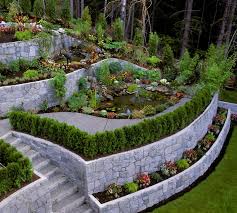
Absolutely. One of the benefits of using materials like concrete blocks or natural stone is the ability to seamlessly integrate "steppers" or full staircases into the wall design. This is a popular solution for Canton homeowners looking to improve access between different levels of their sloped yards.
When can a new concrete driveway be used?
Light foot traffic is usually allowed within a day. Vehicles should wait several days as recommended.
Are concrete sidewalks compliant with local building standards?
Professional installations follow local codes and accessibility guidelines. This ensures compliance and safety.