Understanding Stamped Concrete Regulations in Asheville, NC and Surrounding Areas
Stamped concrete is a popular choice for driveways, patios, walkways, and outdoor living spaces across Asheville, NC, as well as nearby communities such as Black Mountain, Weaverville, Arden, Fletcher, Candler, Leicester, Woodfin, and Biltmore Forest. However, before starting any stamped concrete project, homeowners and contractors must understand local building codes, permitting requirements, and zoning regulations. These rules help ensure safety, durability, and neighborhood consistency throughout Buncombe County and the surrounding areas.
What Is Stamped Concrete and Why Is It Popular in Asheville, NC?
Stamped concrete is a decorative concrete solution designed to replicate the look of natural materials such as stone, brick, slate, or wood while maintaining the strength of concrete. In Asheville, NC, and nearby communities like Swannanoa and Fairview, homeowners choose stamped concrete because it blends beautifully with both modern designs and rustic mountain-style architecture. Its durability and low maintenance needs make it well suited for the region’s climate and outdoor living spaces.
Where Is Stamped Concrete Commonly Used in Asheville and Surrounding Areas?
Stamped concrete is widely used for patios, driveways, walkways, pool decks, and outdoor entertainment areas throughout Asheville, Black Mountain, Weaverville, and Candler. Many homeowners in Arden, Fletcher, and Leicester also prefer stamped concrete for its ability to enhance curb appeal while offering long-lasting performance in residential and commercial settings.
Do You Need a Permit for Stamped Concrete in Asheville, NC?
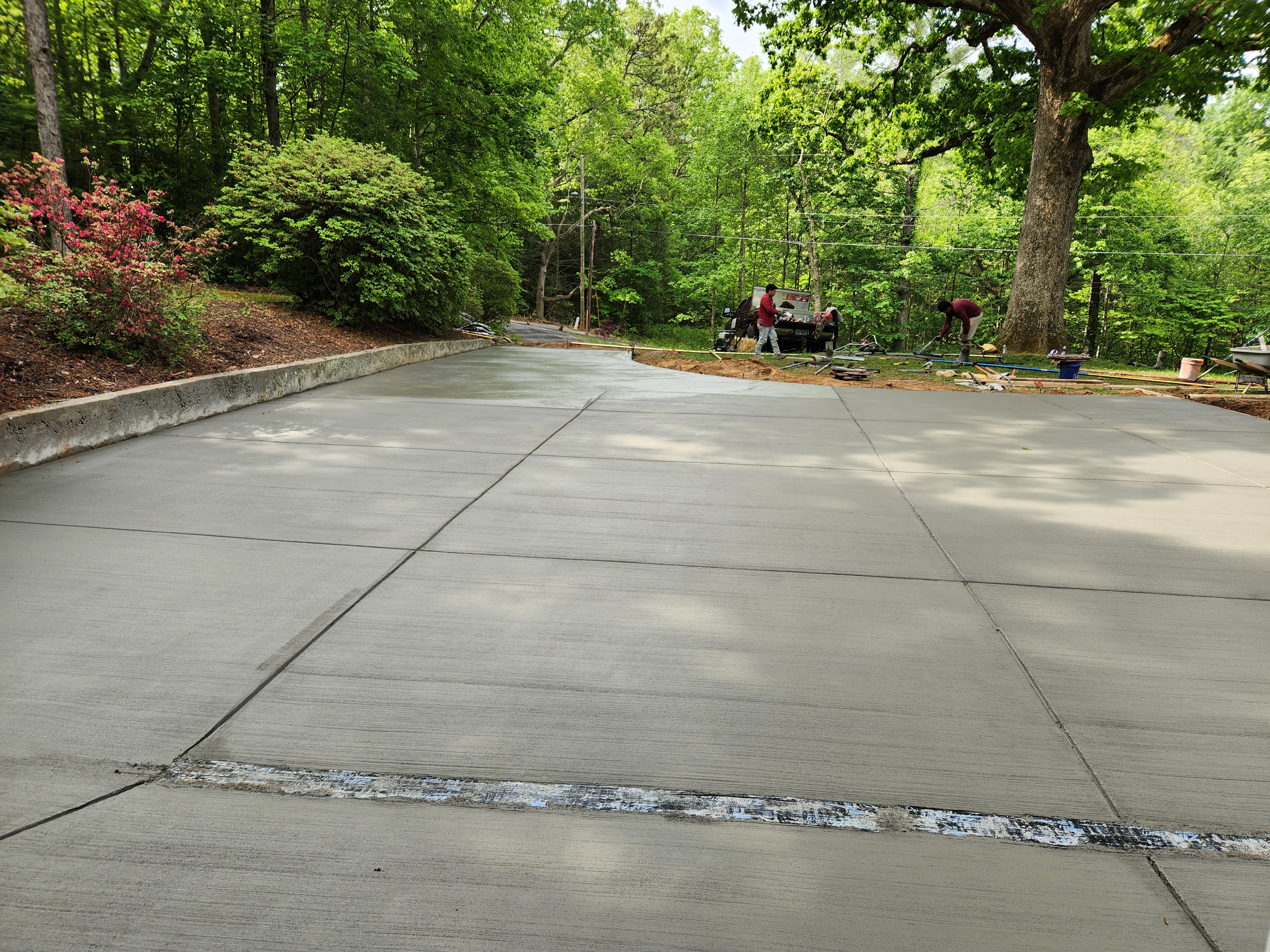
Permits may be required for stamped concrete projects in Asheville depending on the scope and location of the installation. Driveways, structural slabs, and projects that affect grading or drainage typically require approval from the local building department. Nearby towns such as Weaverville, Black Mountain, and Candler often follow similar permitting guidelines, though requirements can vary by municipality.
What Building Codes Apply to Stamped Concrete Projects?
Stamped concrete installations in Asheville and throughout Buncombe County must meet local and state building codes. These regulations govern factors such as concrete strength, slab thickness, base preparation, reinforcement methods, and proper slope for water runoff. Communities like Arden, Fletcher, and Leicester generally follow Buncombe County or North Carolina standards, with additional zoning rules in certain neighborhoods.
Are There Zoning Regulations That Affect Stamped Concrete Installations?
Zoning regulations can influence where and how stamped concrete is installed, particularly for driveways, parking areas, or large outdoor surfaces. In Asheville and nearby towns such as Woodfin and Biltmore Forest, zoning laws may control setbacks, lot coverage, and surface materials. Checking zoning requirements before construction helps prevent compliance issues later.
Do HOA Rules Apply to Stamped Concrete in Asheville Neighborhoods?
Homeowner associations may place restrictions on stamped concrete projects in planned communities. In areas such as Biltmore Forest, South Asheville, and select neighborhoods in Weaverville and Arden, HOAs may regulate color choices, surface patterns, and placement. Reviewing HOA guidelines early ensures the design meets community standards.
How Does Drainage and Stormwater Management Impact Stamped Concrete?
Because Asheville sits in a mountainous region, proper drainage is a major consideration for stamped concrete surfaces. Installations must be sloped correctly to prevent water pooling and uncontrolled runoff. Regulations in Asheville, Fairview, and Swannanoa often require stamped concrete projects to comply with stormwater management rules designed to protect nearby properties and natural waterways.
Are There Special Rules for Historic or Downtown Asheville Areas?
Historic districts and downtown Asheville neighborhoods may have additional requirements for stamped concrete installations. Design approval may be necessary to ensure materials and patterns align with preservation guidelines. Similar rules may apply in older areas of Black Mountain and Biltmore Village, where maintaining historical character is a priority.
Who Is Responsible for Permits and Inspections for Stamped Concrete?
Although homeowners can apply for permits themselves, many rely on experienced local contractors who understand stamped concrete regulations in Asheville and surrounding towns. Professional contractors are familiar with inspection schedules, code requirements, and construction standards across Buncombe County, which helps streamline the approval process.
Why Is It Important to Follow Stamped Concrete Regulations in Asheville, NC?
Following local stamped concrete regulations helps ensure the safety, durability, and long-term value of your investment. Compliance protects homeowners from fines, project delays, or forced removal while ensuring installations meet environmental and structural standards. Whether you are in Asheville, Black Mountain, Candler, or nearby areas, understanding and following these rules leads to a smoother and more successful project.
Final Thoughts
Stamped concrete can significantly enhance the appearance and value of a property, but success starts with understanding local regulations. In Asheville, NC, and nearby areas such as Black Mountain, Weaverville, Arden, and Candler, building codes, zoning rules, drainage standards, and HOA requirements all play an important role in how stamped concrete projects are planned and approved. Taking the time to research permits and work with knowledgeable local professionals helps ensure your project is compliant, durable, and visually appealing. Whether the goal is a decorative patio or a functional driveway, following local guidelines protects your investment and prevents costly issues down the road.
Is stamped concrete suitable for Asheville’s climate?
Yes, stamped concrete performs well in Asheville’s climate when installed correctly. Proper base preparation, reinforcement, and sealing help the surface withstand temperature changes, moisture, and seasonal weather common in Asheville and surrounding mountain areas.
How long does stamped concrete typically last?
Stamped concrete can last several decades with proper installation and maintenance. Homeowners in Asheville, Fairview, and Swannanoa often choose stamped concrete because it offers long-term durability when sealed and cared for regularly.
Can stamped concrete be customized to match my home?
Stamped concrete is highly customizable and can be designed to resemble stone, brick, slate, or wood in a variety of colors and textures. This makes it easy to match architectural styles found throughout Asheville, Black Mountain, and Biltmore Forest.
Do all stamped concrete projects require inspections?
Many stamped concrete projects do require inspections, especially those involving driveways, structural slabs, or drainage changes. Inspection requirements vary by location, so it’s important to confirm expectations in Asheville and nearby towns such as Weaverville and Arden.
Is stamped concrete more affordable than natural stone?
Stamped concrete is generally more cost-effective than natural stone while providing a similar appearance. This affordability makes it a popular option for homeowners across Asheville, Candler, and Fletcher who want a high-end look without the higher material costs.