Understanding Site Preparation for Fletcher Homes & Surrounding Areas
Proper site preparation is essential for homeowners in Fletcher, NC, and nearby towns such as Asheville, Arden, Weaverville, Swannanoa, Woodfin, and Black Mountain. Preparing your property before construction or landscaping ensures a safe, stable, and long-lasting foundation for your home. Site preparation includes grading, excavation, soil testing, drainage solutions, and clearing debris. Understanding these steps helps homeowners avoid structural problems and ensures that projects stay on time and on budget.
What Is Site Preparation and Why Is It Important?
Site preparation is the process of readying a property for construction by clearing debris, grading the land, and ensuring proper soil stability. In Fletcher and surrounding areas, proper site preparation prevents flooding, soil erosion, and structural damage while creating a safe foundation for homes. It’s a crucial first step for both residential and commercial construction projects.
How Do Professionals Clear a Site for Construction?
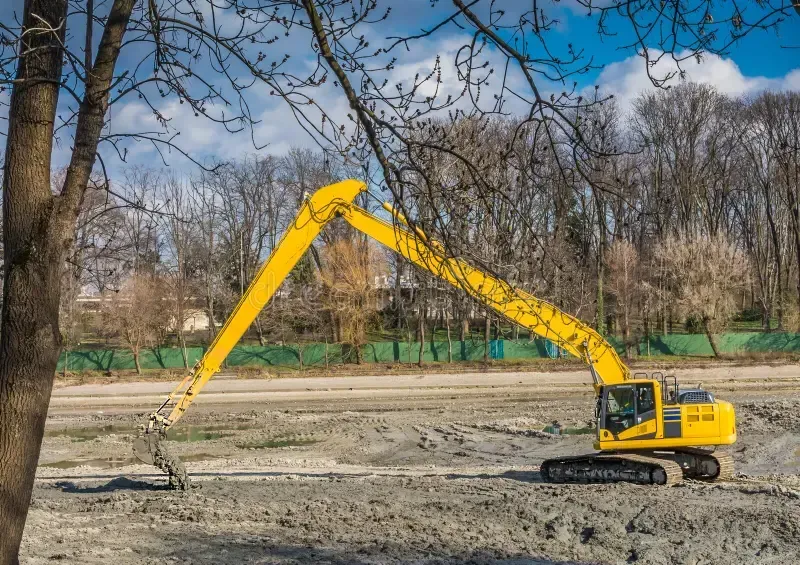
Contractors in Fletcher, Arden, and Weaverville remove trees, rocks, brush, and old structures to create a clean, safe workspace. This step includes grading the land to ensure proper slope, removing obstacles that may interfere with construction, and preparing the soil for foundation work. Proper clearing also improves access for heavy machinery during the building process.
What Role Does Grading Play in Site Preparation?
Grading shapes the land to direct water away from the foundation and create a level building surface. In towns like Asheville, Swannanoa, and Woodfin, grading prevents drainage issues that could cause foundation cracks, flooding, or erosion. Professional grading ensures long-term stability for your property and enhances landscape design.
How Is Excavation Used in Preparing a Home Site?
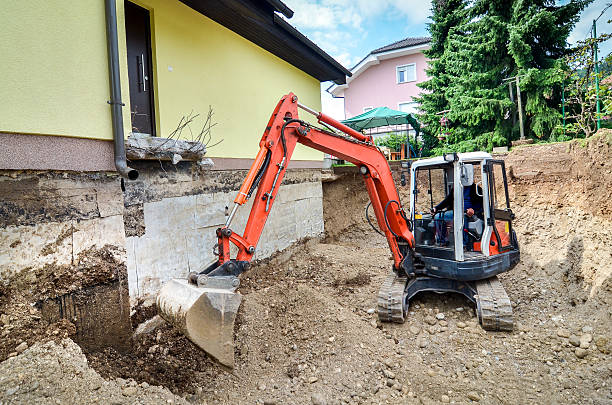
Excavation involves digging trenches and leveling areas for foundations, driveways, and utilities. In Fletcher and Black Mountain, excavation ensures that footings, basements, and utility lines are correctly installed. Skilled contractors use modern equipment to remove soil safely and efficiently while minimizing disruption to the surrounding property.
Why Is Soil Testing Necessary Before Building?
Soil testing determines load-bearing capacity, drainage potential, and soil type. Homeowners in Arden and Weaverville rely on soil tests to ensure their foundation can support the structure. Testing also helps identify issues like compacted or unstable soil, which can be corrected before construction begins, reducing costly repairs later.
How Do Contractors Handle Drainage During Site Preparation?
Proper drainage prevents water damage, soil erosion, and flooding. In Fletcher and nearby towns like Swannanoa and Asheville, contractors design grading plans, install swales, and create channels to redirect water away from the home. Effective drainage protects the foundation and maintains a dry, stable landscape over time.
Can Site Preparation Increase Property Value?
Yes! Proper site preparation improves land usability, foundation safety, and landscaping potential. Residents in Fletcher, Woodfin, and Black Mountain often see higher property values when the land is professionally cleared, graded, and prepared for construction. A well-prepared site also reduces long-term maintenance costs.
How Do Professionals Protect Existing Utilities During Preparation?
Before digging, contractors locate water, gas, electrical, and sewer lines to prevent accidental damage. In Arden and Asheville, this step ensures that existing utilities remain intact while new construction proceeds safely. Professionals use modern equipment to excavate around lines carefully and avoid service disruptions.
How Long Does Site Preparation Take for a Residential Home?
The timeline depends on land size, soil conditions, and the complexity of the project. Small lots in Fletcher or Swannanoa may take a few days, while larger or hilly properties in Asheville or Black Mountain can take several weeks. Contractors provide project timelines and schedules to keep construction on track.
How Do You Choose the Right Contractor for Site Preparation?
Select a contractor with experience, local knowledge, and proper equipment. Homeowners in Fletcher, Arden, and Weaverville should look for professionals familiar with the area’s soil, terrain, and regulations. Reliable contractors provide comprehensive services, including grading, excavation, drainage, and soil testing, ensuring a smooth construction process.
Final Thoughts
Professional site preparation services in Fletcher, NC, and surrounding areas such as Asheville, Arden, Weaverville, Swannanoa, Woodfin, and Black Mountain provide homeowners with a stable, well-drained foundation for construction. From clearing debris to grading, excavation, and drainage, hiring experienced contractors ensures a safe, efficient, and long-lasting home site. Proper preparation enhances property value, reduces maintenance issues, and creates a strong foundation for your dream home
What is the first step in site preparation?
The first step usually involves clearing the land of trees, rocks, debris, and old structures to create a safe and accessible workspace.
Do I need permits for site preparation in Fletcher?
Yes, most construction projects require local permits, especially for grading, excavation, or drainage work.
Can I prepare my site myself?
Small tasks like clearing brush may be manageable, but grading, excavation, and drainage require professional equipment and expertise for safety and compliance.
How do contractors prevent soil erosion during preparation?
They use slope grading, retaining walls, swales, and soil stabilization techniques to prevent erosion and protect your property.
How does site preparation affect long-term home stability?
Proper preparation ensures a level foundation, proper drainage, and stable soil, which protects your home from structural damage, flooding, and costly repairs.