Professional Retaining Wall Drainage in Asheville North Carolina and Surrounding Areas
Appalachian Excavation & Concrete provides high-end floor and retaining wall transformations across Asheville, North Carolina. Our service area extends to the surrounding areas of Weaverville, Black Mountain, Arden, Hendersonville, Waynesville, and all of Buncombe County. We specialize in hydrostatic pressure relief technology which is specifically designed to handle the intense mountain rainfall and saturated clay soils of the Blue Ridge without causing wall failure. The installation process involves several critical steps to ensure a lifetime of structural integrity. We begin with professional site grading to direct surface water away from the wall's face.
What is the primary cause of retaining wall failure in Western North Carolina?
The leading cause of failure isn't the weight of the soil, but hydrostatic pressure. When heavy mountain rains saturate the earth behind a wall, the trapped water adds thousands of pounds of force. Without a professional drainage system, this pressure causes walls to bow, crack, or completely collapse. Our systems are engineered to give that water an immediate path of least resistance away from the structure.
How does a French drain system work within a retaining wall?
A French drain consists of a perforated pipe placed at the base of the wall's interior, surrounded by clean, crushed stone. As water filters through the soil, it enters the stone layer, drops into the pipe, and is gravity-fed to a safe discharge point. This prevents water from pooling at the foundation of the wall, which is critical for maintaining soil stability in the Asheville area.
Why is clean stone backfill preferred over native North Carolina red clay?
Native red clay is highly expansive and holds onto moisture, which increases the load on your wall. We replace the immediate area behind the wall with clean, 57-grade washed stone. This aggregate does not compact or hold water, allowing for rapid drainage directly into the pipe system and significantly reducing the physical stress on the concrete or stone face.
What are weep holes and why are they necessary for masonry walls?
Weep holes are small openings left at the base of the wall that allow any water that bypasses the internal pipe system to escape to the front of the wall. In Hendersonville and Weaverville, where freeze-thaw cycles are common, weep holes are essential to prevent moisture from becoming trapped and freezing inside the wall, which can cause the masonry to spall or flake.
How do filter fabrics prevent drainage clogs over time?
We wrap our drainage stone and pipes in a professional-grade, non-woven geotextile fabric. This acts as a permanent filter, allowing water to pass through while keeping fine silt and clay particles out of the drainage system. Without this fabric, the North Carolina soil would eventually clog the pipes, rendering the drainage system useless within just a few years.
Can drainage systems be integrated into existing, failing retaining walls?
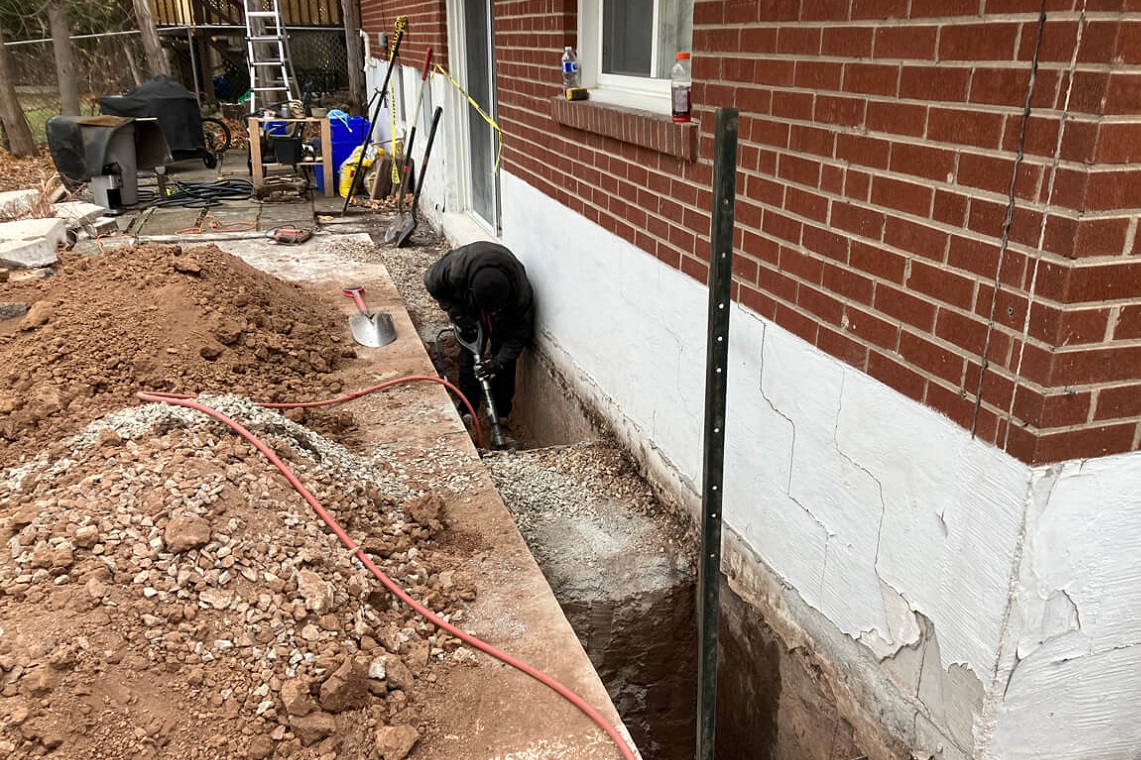
While it is more difficult than installing drainage during the initial build, we can often perform retro-fit drainage. This involve excavating behind the existing wall, installing the necessary pipes and stone, and sometimes adding tie-backs for stability. This is a common solution for Asheville homeowners looking to save a leaning wall before it falls completely.
Where does the collected water go once it leaves the retaining wall?
Proper discharge is vital to prevent creating a new problem elsewhere on your property. We route the drainage pipes to daylight at a lower elevation, or we tie them into existing stormwater systems or dry wells. Our goal is to ensure the water is moved to a location where it can naturally infiltrate the ground without causing erosion to your landscape.
How do professional grading and swales complement wall drainage?
Internal drainage is only half the battle; we also use our excavation expertise to create surface swales above the wall. These swales capture surface runoff before it ever reaches the backfill zone, significantly reducing the volume of water your wall's internal drainage system has to handle during a typical Appalachian downpour.
Why is an excavation specialist required for proper drainage installation?
Drainage is all about physics and gravity. A pipe that isn't sloped correctly or a base that isn't excavated to the right depth will fail to move water. Our team uses precision laser levels and heavy machinery to ensure the pitch of your drainage system is perfect, ensuring that water always moves away from your wall and never sits stagnant.
Does a professional drainage system increase the value of my property?
A wall with a visible, functioning drainage system provides peace of mind to future buyers and home inspectors. In the Asheville real estate market, documented structural and drainage improvements are seen as high-value assets. This professional touch ensures the property remains safe and beautiful, preventing the costly landscape damage associated with poor water management.
Final Thought
Appalachian Excavation & Concrete is committed to delivering the strongest, most resilient retaining walls in Asheville and the surrounding North Carolina communities. Our focus on engineered drainage ensures that your property is not only beautiful but structurally sound for decades. We take pride in building smart walls that work with the mountain environment rather than against it, protecting your investment from the ground up and providing long-term security for your landscape.
Will I see the pipes and gravel once the wall is finished?
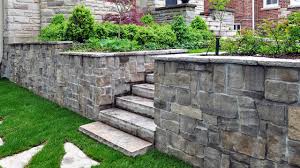
No, a professionally installed drainage system is completely hidden. The pipes and stone are located behind the wall and are covered with a layer of topsoil and landscaping. The only visible parts are the weep holes at the base and the exit point where the water is discharged safely.
Does a drainage system add a lot of cost to the wall installation?
Yes, existing concrete can be removed and replaced. Professionals ensure proper base preparation.
How often do I need to maintain my wall's drainage pipes?
If installed with high-quality filter fabric, maintenance is minimal. We recommend checking the discharge points once a year to ensure they aren't blocked by leaves or debris. For the most part, a well-built system from Appalachian Excavation is designed to be set it and forget it for decades.
Can I use a retaining wall to solve a pre-existing drainage issue in my yard?
Absolutely, as we often design retaining walls specifically to act as a barrier and a collection point for problematic runoff. By combining a structural wall with a high-capacity drainage system, we can turn a swampy, sloped backyard into a dry, usable living space. This is a common request for homes in the wetter areas of Buncombe County.
Is Appalachian Excavation & Concrete experienced with Buncombe County's steep-slope regulations?
Yes, we are fully familiar with the local codes regarding land disturbance and water management. We ensure that every drainage system we install meets or exceeds local requirements, keeping your project compliant and your property safe. Our team prioritizes the technical standards required for the unique Western North Carolina mountain geography.