Professional Foundation Regulations in Marshall NC & Surrounding Areas
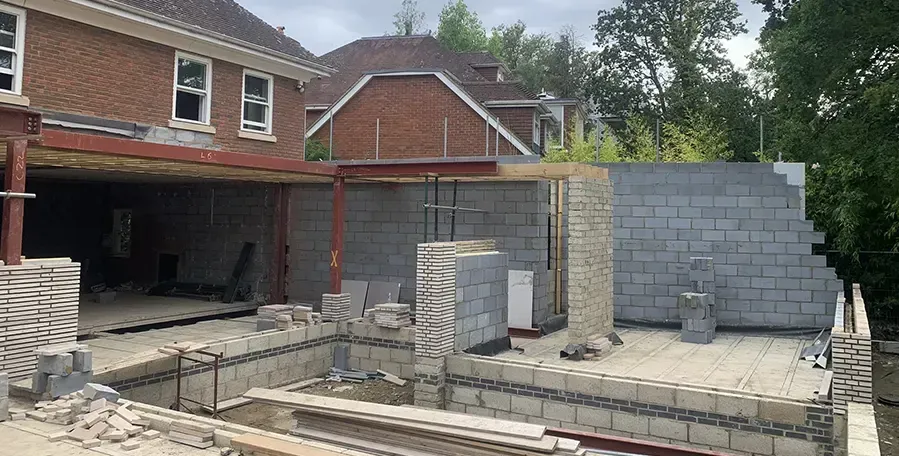
Professional foundation regulations in Marshall NC and surrounding areas ensure that construction projects meet safety, structural integrity, and local building standards. Proper foundation planning protects homes and commercial buildings from soil movement, moisture issues, and long-term structural damage. Regulations guide contractors on excavation depth, reinforcement requirements, and load-bearing specifications. Adhering to these standards reduces the risk of cracks, settlement, and costly repairs in the future. Property owners benefit from understanding how foundation rules impact project timelines and inspections. Working with experienced professionals helps ensure compliance and durable construction results.
Why are foundation regulations important for construction projects?
Foundation regulations provide guidelines that protect structural stability and occupant safety. Contractors follow approved engineering plans to ensure proper reinforcement and depth requirements. Foundations must meet inspection standards before vertical construction begins. Foundations work supports long-term structural integrity and prevents settlement issues. Compliance ensures the building remains safe and durable.
How do soil conditions affect foundation requirements?
Soil composition determines the type and depth of foundation needed for stability. Expansive or loose soil may require additional reinforcement or preparation. Concrete Slabs are commonly used when soil conditions are properly compacted and prepared. Professional assessment ensures soil suitability. Proper evaluation prevents structural shifting.
What permits are required before foundation construction begins?
Local authorities require building permits before excavation and foundation work can start. Inspections are scheduled at different stages to confirm compliance. Concrete Driveways & Sidewalks may also require permits depending on project scope. Permit approval ensures all work follows local codes. Proper documentation avoids legal complications.
How do drainage and grading impact foundation stability?
Water management is critical to protecting foundation integrity. Poor drainage can lead to soil erosion and structural damage over time. Retaining Walls help manage soil pressure and improve site stability when needed. Proper grading directs water away from the structure. Effective drainage reduces long-term risk.
What role does reinforcement play in foundation regulations?
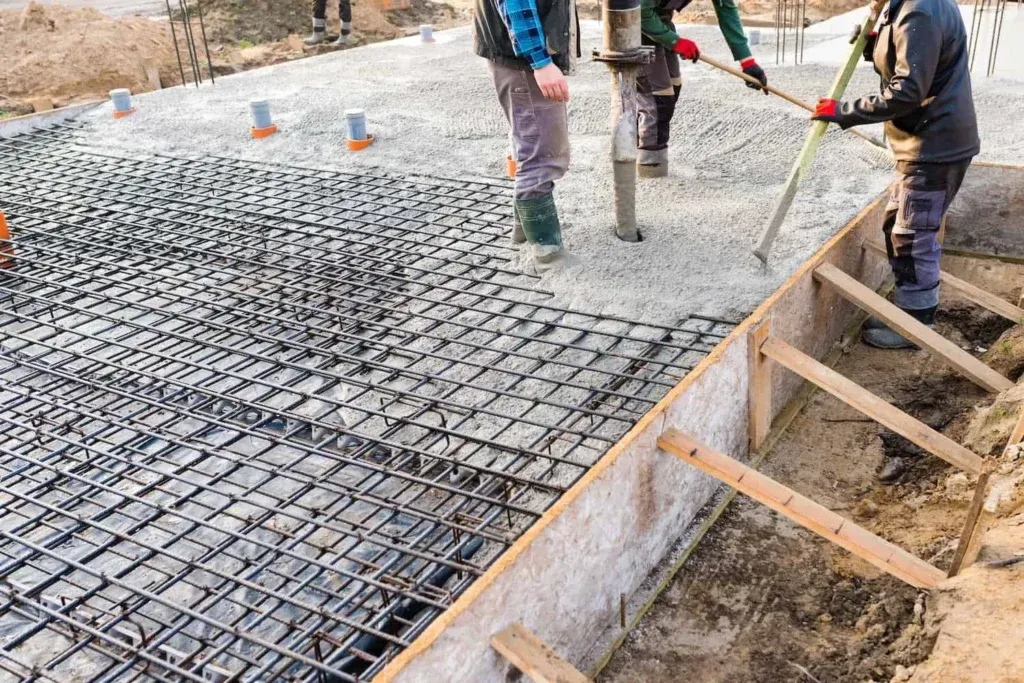
Reinforcement materials such as steel bars strengthen concrete foundations. Regulations specify placement and thickness requirements for durability. Foundations built with proper reinforcement resist cracking and shifting. Structural support ensures load-bearing capacity. Compliance ensures long-term performance.
How are inspections conducted during foundation construction?
Inspectors review excavation depth, reinforcement placement, and material quality. Projects must pass inspection before additional construction continues. Concrete Slabs are examined for proper thickness and finishing standards. Inspection ensures code compliance. Professional contractors prepare thoroughly for approval.
Can decorative concrete elements be regulated under foundation codes?
While decorative elements focus on aesthetics, structural components must still meet code requirements. Stamped Concrete may be used for driveways and patios after foundational support is confirmed. Structural safety remains the top priority. Decorative work follows approved guidelines. Compliance ensures durability.
How do retaining structures support foundation stability?
Retaining structures control soil movement and reduce lateral pressure. Retaining Walls provide support on sloped properties to prevent erosion. Proper design improves foundation longevity. Soil management protects structural integrity. Professional planning ensures safe installation.
What happens if foundation work does not meet regulations?
Non-compliance can result in failed inspections and project delays. Corrections may be required before construction continues. Foundations that fail standards may require reinforcement or redesign. Compliance prevents costly rework. Following regulations ensures project success.
Why should experienced contractors handle foundation projects?
Experienced contractors understand local codes and structural requirements. Concrete Driveways & Sidewalks and related projects benefit from professional oversight. Skilled planning ensures proper reinforcement and inspection readiness. Expertise reduces risks and errors. Professional execution improves durability.
Final Thought
Professional foundation regulations in Marshall NC play a critical role in ensuring safe, durable, and code-compliant construction. Following local guidelines and working with experienced professionals protects both property value and long-term structural integrity.
Why are foundation inspections necessary?
Inspections confirm that construction meets local safety and structural standards. They help prevent long-term damage and ensure compliance.
How long does foundation approval typically take?
Approval timelines vary depending on project size and local requirements. Proper documentation speeds up the process.
Do all foundation projects require permits?
Most projects require permits before work begins. Permit requirements depend on the type and scope of construction.
Can foundation problems be fixed after construction?
Yes, but repairs can be costly and complex. Following regulations from the start prevents major issues.
What is the benefit of hiring professionals for foundation work?
Professionals ensure compliance with regulations and proper construction techniques. This protects the structure’s durability and safety.