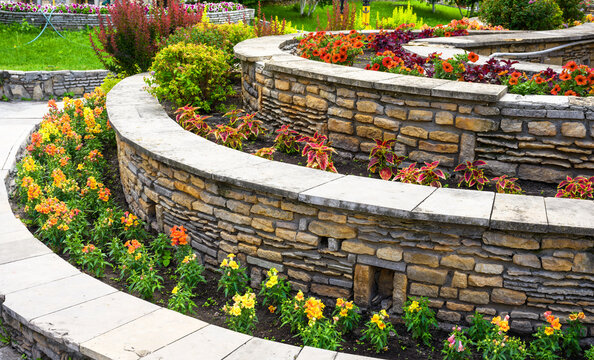
Local Retaining Wall Maintenance in Asheville North Carolina and Surrounding Areas
Appalachian Excavation & Concrete provides high-end floor and retaining wall transformations across Asheville and Canton, North Carolina. Our service area extends to the surrounding areas of Weaverville, Waynesville, Black Mountain, Clyde, and all of Haywood and Buncombe Counties. We specialize in earth retention technology which is specifically designed to handle the intense mountain weather, but even the strongest walls require regular homeowner attention to ensure long-term performance. The maintenance process involves several critical checks to protect your structural investment from the elements.
Why is inspecting drainage weep holes critical for Asheville retaining walls?
Weep holes are the primary escape route for water trapped behind your wall, and they often become clogged with mountain debris or nesting insects. If water cannot escape through these openings, hydrostatic pressure builds up rapidly during Canton’s heavy rain seasons, putting immense stress on the structure. Homeowners should regularly clear any dirt or leaves from these holes to ensure the internal French drain system continues to function as designed by the excavation team.
How does checking surface grading above the wall prevent erosion issues?
The ground above your retaining wall should always be sloped to direct water away from the wall’s top edge rather than allowing it to pool. Over time, the heavy clay soils in Asheville can settle or erode, creating "low spots" that trap water and force it directly down into the backfill area. Periodically adding fresh soil or adjusting the grade ensures that surface runoff flows into established swales or drains, reducing the workload on the wall's internal drainage components.
What signs of wall movement should homeowners look for on steep mountain lots?
Homeowners should keep a close eye on the "batter" or lean of the wall to ensure it remains at its original angle. If you notice new gaps between the wall and the soil, or if the wall appears to be "tilting" forward, it could indicate that the soil reinforcement is under excessive load. Catching these shifts early allows a professional excavation team to address the underlying pressure before a catastrophic failure occurs on your Canton property.
Is it necessary to remove vegetation and invasive vines from the wall face?
While ivy and mountain vines can look beautiful, their roots often penetrate into the joints of stone or block walls, causing them to expand and crack. In the humid climate of Western North Carolina, thick vegetation also traps moisture against the wall material, which can accelerate the weathering of concrete or mortar. Keeping the face of your wall clear of deep-rooted plants prevents structural damage and allows you to inspect the material for any signs of wear.
How do freeze-thaw cycles affect retaining wall maintenance in the winter?
The Asheville and Waynesville areas experience frequent temperature swings where water trapped in wall crevices freezes and expands. This "frost heaving" can push stones out of place or cause small cracks in poured concrete to widen over time. Checking your wall every spring for new cracks or loose masonry ensures that you can seal these areas before the next winter, preventing further moisture penetration and structural degradation.
Should I clean and seal my concrete or stone retaining wall?
Sealing your wall is an excellent way to protect it from the intense UV rays and moisture that are common in the Blue Ridge Mountains. A high-quality silane-siloxane sealer helps prevent the growth of moss and algae while protecting the material from "spalling" or flaking. Cleaning the surface with a mild detergent before sealing ensures that the aesthetic finish remains vibrant and the material stays resistant to the local environmental elements.
How do I manage the "backfill" area to ensure long-term stability?
The area directly behind your wall is filled with specific aggregates designed for drainage, and it should not be heavily disturbed by deep-root planting or heavy construction. Homeowners in Canton should avoid placing heavy structures, like hot tubs or sheds, directly behind a retaining wall unless it was specifically engineered for that extra "surcharge" load. Keeping this area stable ensures that the geogrid and drainage stone remain in their optimal positions.
What should I do if I notice small cracks in my poured concrete wall?
Small, hairline cracks are often a natural result of the concrete settling, but they should be monitored to ensure they do not grow. If a crack becomes wide enough to fit a coin into, it may be time to call a professional for an assessment. Filling these cracks with a waterproof masonry sealant prevents water from reaching the internal steel reinforcement, which is vital for preventing rust and internal structural weakening.
Can professional maintenance services extend the life of an older wall? Yes, as many older walls in Asheville were built before modern drainage standards were established. A professional team can often retro-fit drainage solutions or stabilize a leaning wall with anchors, potentially saving it from a total collapse. Regular professional inspections provide homeowners with an expert evaluation of the wall’s health, ensuring that small maintenance tasks don't turn into expensive rebuilds.
Final Thought
Appalachian Excavation & Concrete is committed to delivering the strongest, most resilient retaining walls in Asheville and the surrounding North Carolina communities. Our focus on engineered stability and homeowner education ensures that your property is not only beautiful but safe from the unpredictable movement of mountain earth. We take pride in building walls that stand the test of time, and we are always here to help our neighbors maintain their landscapes through expert advice and professional structural support.
How often should I perform a full inspection of my retaining wall?
We recommend a thorough visual inspection at least twice a year, ideally in the spring after the final freeze and in the fall before the heavy rains. Look for changes in the wall's alignment, any new cracking, or evidence of water pooling where it shouldn't. This routine check helps you catch minor maintenance needs before they become structural problems on your Asheville property.
What is the best way to clean moss and algae off my stone wall?
Moss thrives in the shaded, damp environments of the North Carolina mountains and can hold moisture against the wall. Use a soft-bristle brush and a mixture of water and a mild, biodegradable cleaner to gently scrub the surface. Avoid high-pressure power washing on older or mortared walls, as it can blast away the joint material and weaken the overall structure.
Is it normal to see "white powder" on the surface of my concrete wall?
This white powder is known as efflorescence, which occurs when water carries natural salts from the concrete to the surface. While it is mostly an aesthetic issue, it does indicate that water is moving through the wall material. You can clean it off with a vinegar and water solution, but it is a good reminder to ensure your top-side drainage is working correctly to minimize internal moisture.
Can a retaining wall be repaired if it starts to lean slightly?
In many cases, a leaning wall can be stabilized using earth anchors or tie-backs if the structural integrity of the material is still sound. This process involves drilling into the hillside and anchoring the wall back into the stable ground. However, this requires professional excavation expertise to ensure the anchors are placed correctly and can handle the specific mountain soil loads.
Does Appalachian Excavation & Concrete offer maintenance consultations?
Yes, we provide site visits to evaluate the condition of existing walls for homeowners throughout Buncombe and Haywood Counties. Whether your wall was built by us or someone else, we can provide professional recommendations on drainage improvements, cleaning, or structural reinforcement. Our goal is to ensure the safety and longevity of every retaining structure in our mountain community.