Understanding Commercial Concrete Pumping in Asheville and Surrounding Areas
Commercial concrete pumping plays a vital role in modern construction by improving efficiency, precision, and speed on job sites. From large-scale foundations to complex structural pours, this method ensures concrete is delivered exactly where it is needed without delays or material waste. Businesses in growing commercial zones and nearby communities increasingly rely on professional pumping solutions to maintain project timelines while achieving consistent structural quality.
What is commercial concrete pumping and how does it work?
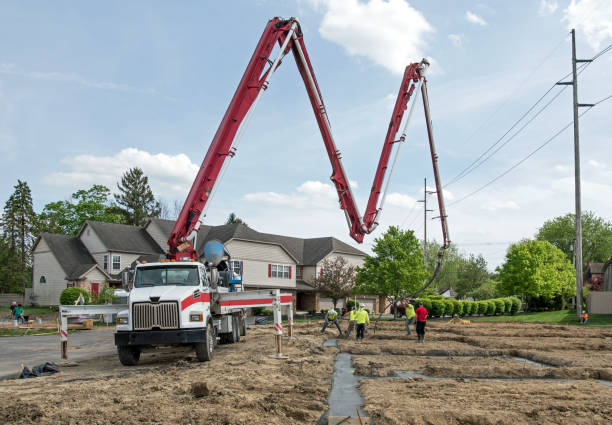
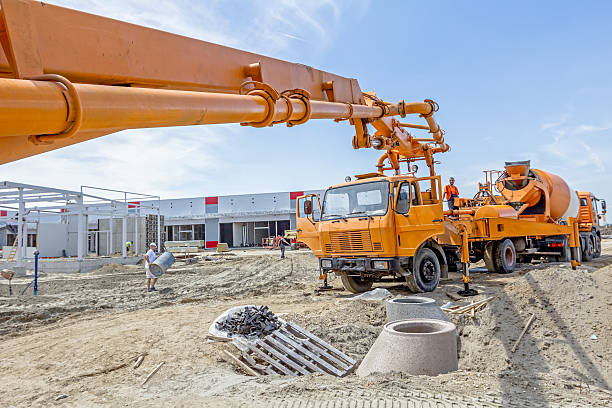
Commercial concrete pumping is the process of transporting liquid concrete through a pipeline using specialized pump equipment. This system allows contractors to move concrete vertically and horizontally across large distances on a job site. It eliminates the need for manual transport methods that are time-consuming and labor-intensive. The result is faster placement and a more controlled pour for better structural outcomes.
Why is concrete pumping important for commercial projects?
Concrete pumping enhances productivity and ensures that large commercial pours are completed on schedule. It reduces manual labor requirements and minimizes delays caused by traditional pouring techniques. With precise delivery, the risk of uneven distribution or structural weaknesses is significantly lowered. This makes it essential for projects requiring accuracy and durability.
What types of concrete pumps are commonly used?
Two primary types of pumps are used in commercial settings: boom pumps and line pumps. Boom pumps are ideal for high-rise or expansive construction projects due to their reach and flexibility. Line pumps are typically used for ground-level work or areas with limited access. Choosing the right pump depends on project size and layout.
How does pumping improve construction efficiency?
Pumping allows continuous concrete flow, reducing downtime between pours. It also enables placement in hard-to-reach locations without disrupting surrounding structures. Faster placement means quicker project progression and improved labor efficiency. Overall, this leads to reduced operational costs.
Is concrete pumping suitable for complex project designs?
Yes, pumping is especially beneficial for projects with intricate layouts or tight access points. It allows concrete to be delivered around obstacles or into elevated sections. This flexibility makes it ideal for commercial buildings with unique architectural requirements. Precision placement ensures design integrity is maintained.
What safety benefits does concrete pumping provide?
Concrete pumping improves job site safety by minimizing manual handling. Workers are less exposed to heavy lifting risks and hazardous transport conditions. Controlled placement also reduces the chances of spills and site accidents. This contributes to a safer and more organized construction environment.
Can pumping help reduce material waste?
Yes, pumping systems ensure accurate delivery of concrete to the desired location. This minimizes spillage and overuse of materials. Efficient placement leads to better resource management and cost savings. It also supports environmentally responsible construction practices.
How does pumping impact project timelines?
Concrete pumping accelerates the construction process by enabling faster pours. It allows large volumes of concrete to be placed in a shorter time frame. This reduces delays and helps meet strict deadlines. Timely completion is crucial for commercial developments.
Is concrete pumping cost-effective for businesses?
Although there is an upfront equipment cost, the long-term savings are significant. Reduced labor, faster completion, and minimized waste all contribute to lower overall project expenses. Businesses benefit from improved efficiency and reliable outcomes. This makes pumping a practical investment.
What should businesses look for in a pumping service provider?
Experience, equipment quality, and project adaptability are key factors. A reliable provider ensures proper setup and consistent concrete flow. Professional expertise helps avoid technical issues during pours. Choosing the right team ensures project success.
Final Thoughts
Commercial concrete pumping has become an essential solution for efficient and precise construction. It supports faster timelines, safer work environments, and better resource management. For businesses operating in growing commercial zones and nearby communities, adopting this method can significantly enhance project performance and long-term structural reliability.
How long does commercial concrete pumping take?
The duration depends on project size and complexity, but pumping generally speeds up the pouring process compared to traditional methods.
Is pumping suitable for large commercial buildings?
Yes, it is widely used for large-scale structures due to its reach and efficiency.
Does concrete pumping improve structural quality?
Accurate placement helps maintain consistency and reduces weak points in the structure.
Can pumping be used in confined construction spaces?
Yes, specialized equipment allows concrete delivery even in limited-access areas.
Is pumping environmentally friendly?
Reduced waste and efficient material use make it a more sustainable option.