Best Materials for Retaining Walls in Hendersonville, NC and Surrounding Areas
Retaining walls are an excellent solution for managing sloped landscapes, preventing soil erosion, and creating attractive outdoor spaces. Homeowners and businesses in Hendersonville, NC, and surrounding areas such as Flat Rock, Laurel Park, Fletcher, Mills River, Horse Shoe, Etowah, and Asheville often invest in retaining walls to improve both the function and appearance of their properties. Choosing the right material is essential because it affects the wall's durability, maintenance, and overall style. Understanding the advantages of each option can help you make the best decision for your landscaping project.
What Are the Best Materials for Retaining Walls in Hendersonville, NC?
Several materials work well for retaining walls, depending on your property's needs and design preferences. Concrete blocks are one of the most popular choices because they are durable, weather-resistant, and available in many styles and colors. Natural stone provides a timeless appearance and blends beautifully with North Carolina landscapes, while timber offers a rustic look that complements traditional gardens. Brick is another attractive option that provides strength and classic curb appeal, while poured concrete is ideal for modern landscapes requiring maximum structural support.
Why Are Concrete Blocks a Popular Choice for Retaining Walls?
Concrete blocks are widely used because they combine strength, affordability, and versatility. They can withstand heavy loads, resist moisture, and require very little maintenance. Their interlocking design makes installation easier and provides excellent stability, making them suitable for both residential and commercial landscaping projects throughout Hendersonville and nearby communities.
Is Natural Stone a Good Material for Retaining Walls?
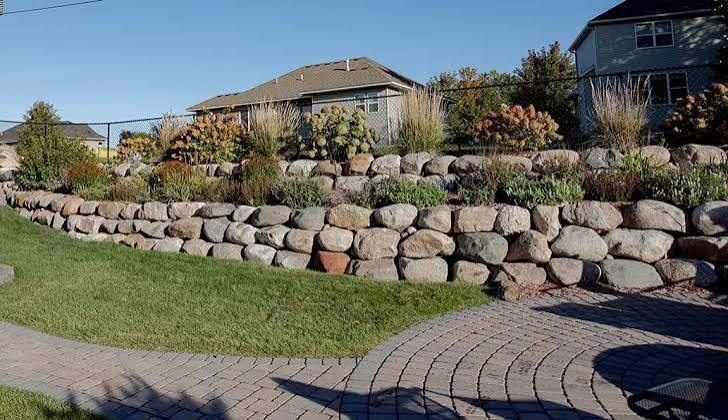
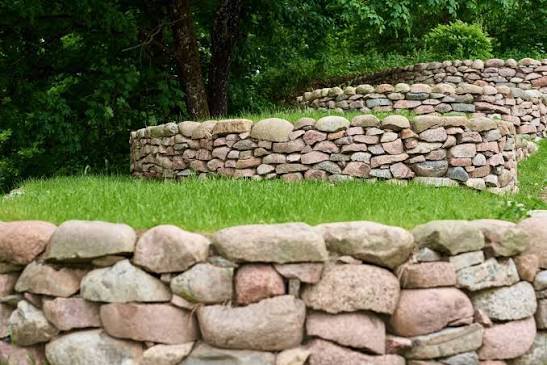
Natural stone is one of the most attractive materials for retaining walls. It creates a unique, elegant appearance that enhances gardens, patios, and outdoor living areas. Stone walls are highly durable and can last for decades with minimal maintenance. Although natural stone usually costs more than other materials, its beauty and longevity often make it a worthwhile investment for homeowners seeking a premium landscape design.
When Should You Choose Timber Retaining Walls?
Timber retaining walls are ideal for smaller landscaping projects where a warm, natural appearance is desired. Pressure-treated wood can provide years of reliable performance when installed correctly and maintained regularly. Timber works well in gardens and decorative landscapes but may not be the best option for large retaining walls that require significant structural strength.
Are Brick Retaining Walls Worth Considering?
Brick retaining walls provide a classic and sophisticated appearance while offering dependable durability. They are often selected for properties with traditional architecture because they complement existing brick homes and walkways. Although installation can be more labor-intensive than concrete blocks, brick walls provide lasting beauty and require relatively little maintenance.
Why Is Poured Concrete Used for Some Retaining Walls?
Poured concrete is an excellent option for retaining walls that require maximum strength and stability. It performs well on steep slopes and can support substantial soil pressure. Modern finishing techniques also allow poured concrete to mimic the appearance of natural stone or textured surfaces, giving homeowners both durability and aesthetic flexibility.
Which Retaining Wall Material Requires the Least Maintenance?
Concrete blocks and poured concrete generally require the least maintenance because they resist moisture, insects, and weather damage. Natural stone also requires minimal upkeep, while timber may need periodic sealing, staining, or replacement over time. Selecting a low-maintenance material can help reduce long-term landscaping expenses.
How Do You Choose the Right Retaining Wall Material for Your Property?
The right material depends on your budget, landscape design, soil conditions, drainage requirements, and the height of the retaining wall. Consulting with an experienced retaining wall contractor ensures the wall is properly engineered, complies with local building requirements, and complements the overall appearance of your property.
Can Retaining Walls Increase Property Value?
Yes, professionally designed retaining walls can improve curb appeal, increase usable outdoor space, and protect your landscape from erosion. Buyers often appreciate well-constructed retaining walls because they improve both the appearance and functionality of the property. A quality retaining wall can become a valuable long-term investment for homeowners in Hendersonville and surrounding communities.
Why Should You Hire a Professional Retaining Wall Contractor in Hendersonville, NC?
Professional contractors understand local soil conditions, drainage requirements, and construction techniques needed for long-lasting retaining walls. They can recommend the most suitable materials, ensure proper installation, and help prevent costly issues such as shifting, cracking, or poor drainage. Working with experienced professionals provides peace of mind and ensures your retaining wall performs effectively for many years.
Final Thoughts
Selecting the best retaining wall material is an important decision that affects the durability, appearance, and value of your landscape. Whether you prefer the affordability of concrete blocks, the elegance of natural stone, the rustic charm of timber, the classic style of brick, or the strength of poured concrete, choosing the right material ensures lasting performance. Homeowners throughout Hendersonville, Flat Rock, Laurel Park, Fletcher, Mills River, Horse Shoe, Etowah, Asheville, and nearby communities can benefit from professional guidance to build retaining walls that enhance both beauty and functionality.
How long do retaining walls typically last?
The lifespan depends on the material and installation quality. Concrete and natural stone walls can last several decades when properly constructed.
Which retaining wall material is the most affordable?
Concrete blocks are generally one of the most cost-effective options while still offering excellent durability and appearance.
Do retaining walls need drainage systems?
Yes. Proper drainage prevents water buildup behind the wall, reducing pressure and extending the wall's lifespan.
Can retaining walls be customized?
Absolutely. Retaining walls are available in various colors, textures, shapes, and finishes to match your landscape design.
Which retaining wall material is best for steep slopes?
Poured concrete, engineered concrete blocks, and natural stone are excellent choices for steep slopes because of their superior strength and stability.